
Why smart devices are trending: 70.9% EU adoption explained
Smart devices have swept across Europe at an unprecedented pace. In 2024, 70.9% of EU individuals used smart devices, a figure that surprises many who assume privacy concerns would slow adoption. The reality is more nuanced. Energy efficiency mandates, AI integration, and robust security features are driving this surge, even as consumers remain vigilant about data protection. This article unpacks the key drivers behind Europe’s smart device boom, explores the technical landscape shaping user choices, and provides practical guidance for maximizing your smart home setup in 2026.
Table of Contents
- Key takeaways
- Understanding the rise of smart devices in Europe
- Key drivers behind smart device popularity
- Interoperability and technical challenges of smart devices
- Applying smart device trends to your home setup
- Explore smart devices and accessories at OnlineStore24 EU
- Frequently asked questions about smart devices
Key Takeaways
| Point | Details |
|---|---|
| Adoption drivers | Energy efficiency mandates, AI driven IoT, and robust security features are driving Europe’s rapid smart device adoption despite ongoing privacy concerns. |
| Market growth | The European smart device market is projected to reach $67.5B by 2031 at a 13.9% CAGR, driven by AI driven IoT solutions and energy efficient technologies. |
| Regional variation | Adoption varies across the EU with the Netherlands leading and Poland lagging, influenced by infrastructure maturity, income levels, and cultural attitudes toward technology, especially in urban Western Europe. |
| Energy management impact | EU mandates and subsidies for smart thermostats and lighting enable homeowners to cut heating costs by 20 to 30 percent through intelligent climate control. |
| Policy and 5G | Tax credits and direct subsidies for energy efficient smart home installations, along with 5G rollout across major European cities, are accelerating market growth. |
Understanding the rise of smart devices in Europe
Europe’s smart home market is experiencing explosive growth. The market is projected to reach $67.5B by 2031 at a 13.9% compound annual growth rate, fueled by AI-driven IoT solutions and mounting demand for energy-efficient technologies. This isn’t just about gadgets becoming cheaper or more available. The shift reflects fundamental changes in how Europeans approach home management, security, and sustainability.
Adoption rates vary dramatically across the EU. The Netherlands leads with some of the highest penetration rates, while Poland lags behind. These disparities stem from differences in infrastructure maturity, disposable income levels, and cultural attitudes toward technology. Urban centers in Western Europe show particularly strong uptake, driven by younger demographics who prioritize convenience and automation. The table below illustrates these regional differences:
| Country | Smart device adoption rate | Key drivers |
|---|---|---|
| Netherlands | 85%+ | Advanced fiber networks, high disposable income |
| Germany | 75-80% | Strong energy efficiency focus, government incentives |
| France | 70-75% | Urban concentration, security concerns |
| Spain | 65-70% | Growing middle class, climate control needs |
| Poland | 50-55% | Infrastructure gaps, lower purchasing power |
Several factors explain why consumers are embracing smart devices despite lingering privacy concerns:
- Convenience trumps caution for most users, with voice control and automation simplifying daily routines
- Energy savings deliver measurable financial benefits, particularly as utility costs rise across Europe
- Security features provide peace of mind in urban environments where property crime remains a concern
- Social proof drives adoption as early adopters share positive experiences with friends and family
The smart home devices guide 2026 offers deeper insights into how these trends translate into specific product categories and use cases for European households.
Key drivers behind smart device popularity
Energy management devices are leading the charge. EU mandates requiring improved building energy performance, combined with national subsidies for smart thermostats and lighting systems, have created powerful incentives. Homeowners can reduce heating costs by 20-30% through intelligent climate control that learns occupancy patterns and adjusts temperatures accordingly. These savings add up quickly, especially in Northern European countries where heating represents a major household expense.
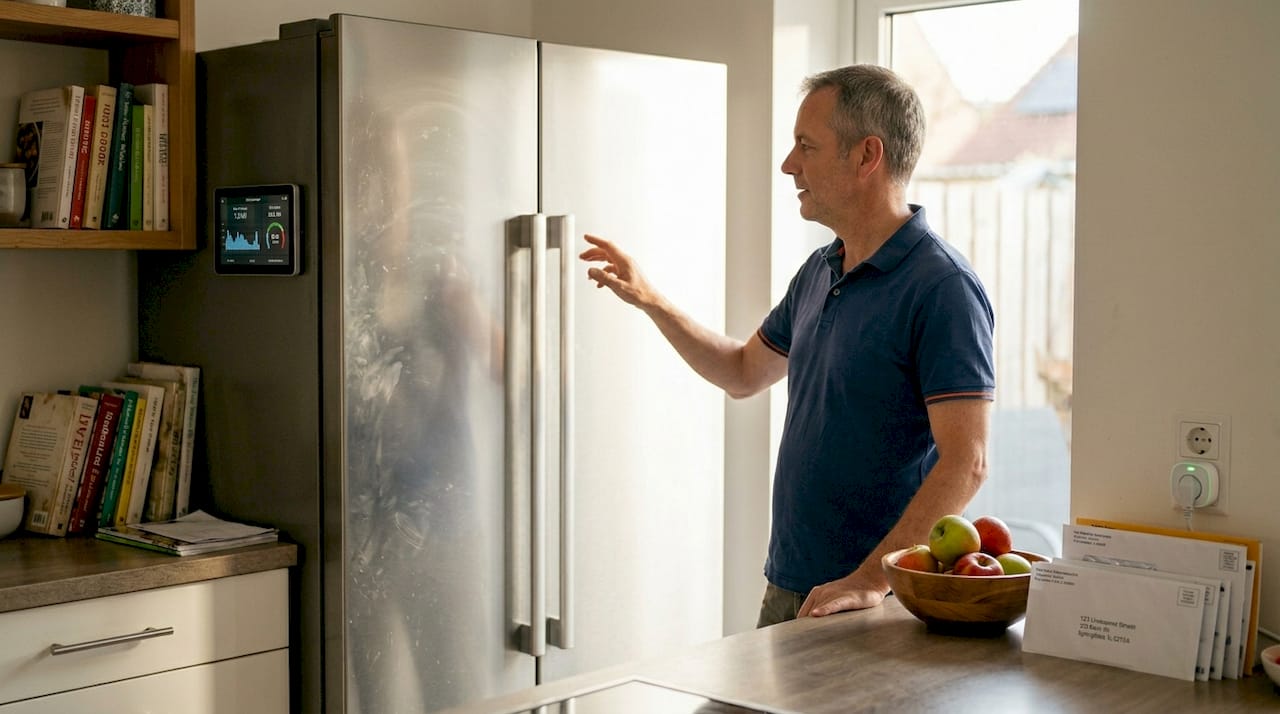
AI integration has transformed smart devices from simple remote-controlled gadgets into genuinely intelligent assistants. Modern systems analyze usage patterns, predict user needs, and optimize performance without manual intervention. A smart refrigerator can track expiration dates and suggest recipes based on available ingredients. Lighting systems adjust color temperature throughout the day to support circadian rhythms. These AI-driven features deliver rising demand for energy-efficient solutions that go beyond basic automation.
Security products have become increasingly sophisticated in response to urbanization trends. Video doorbells with facial recognition, smart locks with temporary access codes, and integrated alarm systems address real concerns about property protection. The technology has matured to the point where false alarms are rare and genuine threats are detected reliably. Security remains a key concern amid urbanization, driving adoption of comprehensive home monitoring solutions.
Government policies play a crucial role in accelerating adoption. Many EU countries offer tax credits or direct subsidies for smart home installations that improve energy efficiency. The 5G rollout across major European cities provides the high-speed, low-latency connectivity that smart devices need to function seamlessly. This infrastructure investment removes a major barrier that previously limited adoption in rural and suburban areas.
Pro Tip: Look for devices that qualify for national energy efficiency rebates. Many European countries offer substantial subsidies for smart thermostats, LED systems, and energy monitoring equipment that can offset 30-50% of purchase costs.
The eco friendly gadget guide explores how environmental considerations intersect with smart device choices, helping you identify products that deliver both convenience and sustainability. For retailers navigating the security landscape of connected payments, retail payment security tips provide valuable insights into protecting customer data.
Interoperability and technical challenges of smart devices
Wireless protocols form the backbone of smart home ecosystems. Three standards dominate the European market: Matter, Thread, and Zigbee. Each offers distinct advantages and tradeoffs that influence device selection and system design. Understanding these differences helps you build a cohesive smart home that avoids compatibility headaches.
| Protocol | Interoperability | Power efficiency | Typical cost | Best for |
|---|---|---|---|---|
| Matter | Excellent (cross-brand) | Moderate | Higher | Future-proof whole-home systems |
| Thread | Good (IP-based mesh) | Excellent | Moderate | Battery-powered sensors and locks |
| Zigbee | Good (mature ecosystem) | Excellent | Lower | Budget-conscious multi-device setups |
Matter and Thread protocols improve interoperability and power efficiency, addressing two major pain points that previously frustrated consumers. Matter enables devices from different manufacturers to communicate directly without proprietary hubs or bridges. Thread creates self-healing mesh networks where devices relay signals to extend range and improve reliability. These technical advances make smart homes more accessible to mainstream consumers who lack technical expertise.
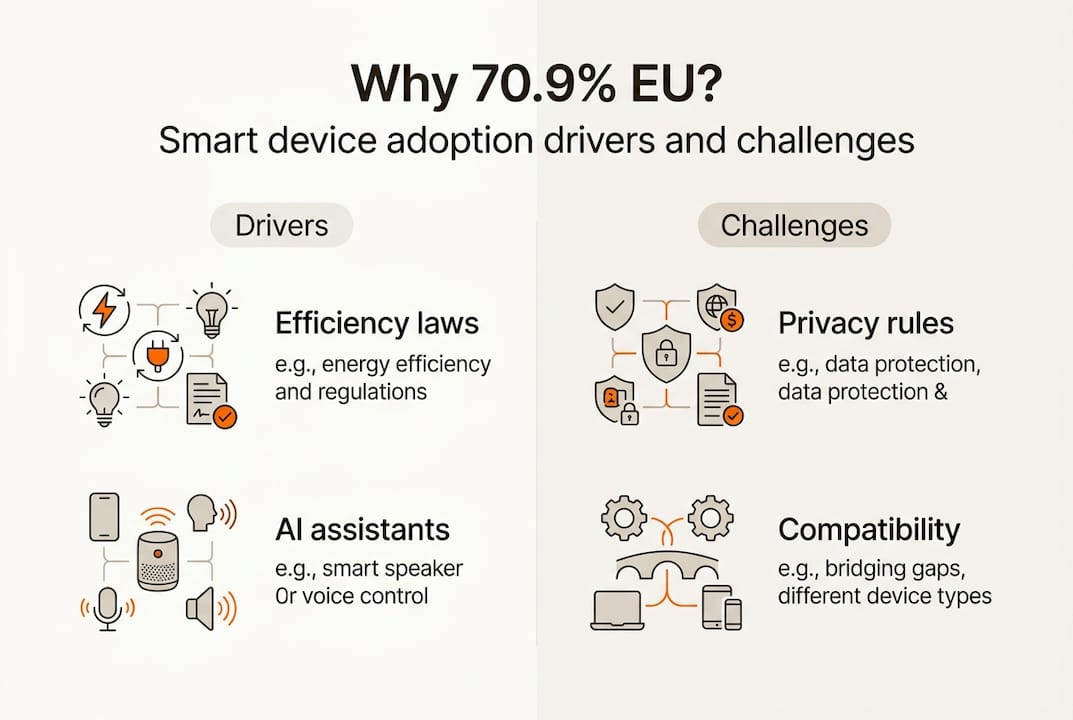
Privacy concerns remain significant despite technological progress. The EU’s GDPR and the emerging Data Act impose strict requirements on how manufacturers collect, store, and process user data. Privacy concerns and interoperability issues remain significant challenges that influence purchasing decisions. European consumers are more privacy-conscious than their American counterparts, demanding transparency about data flows and local processing options.
Sovereign cloud providers have emerged as a solution to privacy concerns. These EU-based services store smart home data within European borders, subject to European privacy laws rather than foreign government access. Companies like OVHcloud and Scaleway offer infrastructure specifically designed for smart home applications, giving users greater control over their personal information.
Key technical considerations for European smart homes:
- Apartment dwellers benefit from Thread-based systems that penetrate concrete walls more effectively than Wi-Fi
- Multi-story homes require careful hub placement to ensure reliable mesh network coverage
- Older buildings with thick masonry walls may need additional repeaters or access points
- Rental properties should prioritize non-invasive installations that don’t require permanent modifications
Pro Tip: In typical EU apartment buildings with concrete construction, a layered approach works best. Use Thread for battery-powered sensors and locks, Zigbee for lighting and climate control, and Matter-certified hubs to tie everything together. This combination delivers reliability without breaking the bank.
The electronics buying guide europe 2026 provides comprehensive advice on selecting devices that balance performance, compatibility, and privacy protection for European households.
Applying smart device trends to your home setup
Building an effective smart home requires strategic planning rather than impulse purchases. Follow this systematic approach to maximize value and avoid compatibility nightmares:
- Assess your priorities by ranking energy savings, security, convenience, and entertainment based on your lifestyle and budget
- Choose a primary ecosystem (Apple HomeKit, Google Home, Amazon Alexa, or Samsung SmartThings) that aligns with devices you already own
- Verify Matter certification for any new purchases to ensure future compatibility as standards evolve
- Start with high-impact devices like smart thermostats or lighting that deliver immediate, measurable benefits
- Expand gradually by adding complementary devices that integrate seamlessly with your existing setup
- Document your network configuration and device credentials in a secure password manager for troubleshooting
Energy management and security remain top user priorities, so focus your initial investments in these areas. A smart thermostat paired with radiator valves can reduce heating costs by 25-30% in a typical European home. Smart lighting with occupancy sensors eliminates wasted electricity in rooms that are frequently left on. These foundational devices pay for themselves within 18-24 months through utility savings.
Security implementations should balance protection with usability. Video doorbells provide valuable package theft deterrence in urban areas. Smart locks with temporary codes simplify guest access without compromising security. Window and door sensors create a comprehensive perimeter monitoring system that alerts you to unexpected entry attempts. Avoid over-engineering your security setup with features you’ll never use, which increases complexity without adding meaningful protection.
Interoperability planning prevents the frustration of discovering incompatible devices after purchase. Stick with Matter-certified products whenever possible, even if they cost slightly more upfront. The investment pays dividends when you want to switch ecosystems or integrate devices from different manufacturers. Legacy Zigbee devices remain viable for budget-conscious buyers, but verify they work with your chosen hub before buying.
Pro Tip: EU sovereign cloud services like OVHcloud’s smart home platform keep your data within European borders and subject to GDPR protections. This matters if you’re concerned about foreign government access to your home activity patterns and personal information.
Practical implementation tips for European homes:
- Schedule installations during moderate weather when heating and cooling demands are low
- Test each device individually before integrating it into automation routines
- Create backup automation triggers that don’t rely on cloud connectivity
- Label devices clearly in your app to simplify troubleshooting and routine adjustments
The best smart tvs 2026 guide explores how entertainment devices integrate with broader smart home ecosystems. For mobile device selection that complements your smart home setup, the best smartphones buying guide covers compatibility considerations and control app performance across different platforms.
Explore smart devices and accessories at OnlineStore24 EU
Ready to transform your living space with the latest smart home technology? OnlineStore24 EU offers an extensive catalog of smart devices, from energy-efficient lighting and climate control to advanced security systems and entertainment equipment. Our European-based fulfillment centers ensure fast delivery across the EU, with products sourced from trusted distributors who meet strict quality standards.

Whether you’re building a comprehensive smart home ecosystem or adding individual devices to enhance specific aspects of your daily routine, we’ve got you covered. Check out products like the Trendnet TEW-821DAP access point for robust wireless coverage that supports multiple smart devices simultaneously. Or explore the Xiaomi Redmi A3X smartphone for seamless control of your connected home from anywhere. Browse our full range today and discover how smart technology can simplify your life while reducing energy costs.
Frequently asked questions about smart devices
What privacy protections should European users expect with smart devices?
EU regulations including GDPR and the Data Act provide comprehensive data privacy frameworks that restrict how manufacturers collect and process user information. Smart device companies operating in Europe must obtain explicit consent for data collection, provide transparency about data usage, and allow users to delete their information on request. Sovereign cloud providers offer additional protection by storing data within EU borders, subject to European rather than foreign privacy laws.
How will emerging technologies like 5G and AI impact smart device adoption?
5G networks dramatically increase connectivity speed and reduce latency, enabling real-time device interactions that weren’t practical with 4G infrastructure. This allows for more sophisticated automation scenarios and faster response times for security applications. AI improvements enhance energy efficiency by learning household patterns and optimizing device operation without manual programming. Together, these technologies remove technical barriers that previously limited smart home capabilities, making advanced features accessible to mainstream consumers.
What practical steps can I take to secure my smart home devices?
Start with network security by using WPA3 encryption on your Wi-Fi and creating a separate network for smart devices isolated from computers containing sensitive information. Choose strong, unique passwords for each device and enable two-factor authentication wherever available. Select devices from reputable manufacturers with proven track records of providing security updates. Keep firmware updated by enabling automatic updates or checking monthly for new versions. Finally, review device permissions regularly and disable features you don’t actively use to minimize potential attack surfaces.
How do I choose between different smart home ecosystems?
Your choice should align with devices you already own and your technical comfort level. Apple HomeKit offers the tightest integration if you use iPhones and iPads, but limits device selection to certified products. Google Home provides the broadest device compatibility and superior voice recognition. Amazon Alexa delivers the most third-party integrations and skills. Samsung SmartThings excels at local processing and works well with legacy Zigbee devices. Prioritize Matter-certified hubs regardless of ecosystem to maintain flexibility as your needs evolve.
Recommended
- Smart Home Devices Guide 2026: Transform Your European Home – OnlineStore24 EU
- Best Electronics for Modern Homes in Europe (2026 Guide) – OnlineStore24 EU
- Best Smart TVs for European Homes (2026 Buying Guide) – OnlineStore24 EU
- Best Electronics for Modern Homes in Europe: Complete 2026 Buying Guide – OnlineStore24 EU
- Why More Americans Are Installing Smart Toilets in 2025 | Premium Bidet– Smart Toilets & Bidet Seats | Premium Bidet