
Smart consumer electronics tips for Europe 2026
Choosing consumer electronics in 2026 Europe feels overwhelming with rapid tech advances, shifting energy standards, and countless smart home options. European consumers want devices that deliver genuine value, long-term durability, and compatibility with local energy tariffs and smart home ecosystems. This guide provides a practical framework for evaluating electronics purchases, highlights top product choices for 2026, and explains how to optimize your smart home setup for energy efficiency, privacy, and future readiness. You’ll learn when to buy versus wait, which display technologies suit your needs, and how to integrate intelligent devices that reduce costs while enhancing your lifestyle.
Table of Contents
- Establishing Your Consumer Electronics Criteria For 2026
- Top Electronics Choices For 2026 European Homes
- Comparing Display Technologies And Smart Home Devices: OLED, Mini-LED, And IoT Integration
- Energy Efficiency And Local Intelligence: Optimizing Your Smart Home Setup
- Explore Top Consumer Electronics At OnlineStore24 EU
- Frequently Asked Questions About Consumer Electronics Tips 2026
Key takeaways
| Point | Details |
|---|---|
| Use a wait or buy framework | Buy now if you need the device for 3+ years and no major launches are expected in 6 months; otherwise wait for better models or prices. |
| Prioritize energy efficiency | Focus on A+ energy ratings and EPBD-compliant devices to reduce consumption by up to 16% and save hundreds annually. |
| Understand display technology | OLED offers perfect blacks and color accuracy while Mini-LED delivers superior brightness for well-lit rooms. |
| Optimize smart home energy | Integrate smart thermostats with time-of-use tariffs and local processing to cut energy costs and improve privacy. |
| Future-proof your purchases | Select devices with long manufacturer support, compatibility with European standards, and local intelligence capabilities. |
Establishing your consumer electronics criteria for 2026
Before you click buy on any device, you need a clear evaluation framework that aligns with European market realities and your lifestyle needs. The first question to ask yourself is whether you’ll use this device for at least three years. If the answer is yes and no major product launches are expected in the next six months, you’re in the wait or buy decision zone where purchasing now makes sense. This framework prevents impulse buys and helps you time purchases around product cycles.
European consumers consistently prioritize durability and transparent pricing over flashy features. Your criteria checklist should include energy efficiency as a non-negotiable requirement. Look for devices with A+ energy ratings or better, especially for always-on electronics like TVs, network equipment, and smart home hubs. Smart features matter, but they must integrate seamlessly with local standards and time-of-use tariffs that many European energy providers now offer.
Compatibility extends beyond energy standards to your existing smart home ecosystem. Will your new TV work with your preferred voice assistant? Does your smart thermostat communicate with your solar panels? These questions prevent the frustration of buying isolated devices that don’t talk to each other. Future-proofing means factoring in upcoming technology launches and the longevity of manufacturer support, particularly important given the electronics buying landscape in Europe where product lifecycles and warranty expectations differ from other markets.
Pro Tip: Create a simple spreadsheet with your top three device candidates and score them across five criteria: energy efficiency, compatibility, durability, price, and manufacturer support. This removes emotional decision making and highlights the best value choice.
Top electronics choices for 2026 European homes
The 2026 European market offers exceptional options across major electronics categories, each designed to meet stricter energy standards while delivering premium performance. For televisions, the Samsung S90F and LG G5 OLED represent benchmark choices for color accuracy and brightness while maintaining A+ energy ratings. These models support Dolby Vision and 4K UHD, essential for future-proofing your entertainment setup as streaming services continue upgrading content quality.
Smart thermostats deliver the most immediate return on investment among smart home devices. European-focused models like tado° are EPBD-compliant and save £300-820 annually by intelligently managing heating and cooling based on occupancy patterns and time-of-use tariffs. These devices integrate with photovoltaic systems, allowing you to maximize self-consumed solar energy during peak generation hours. The payback period typically runs 12 to 18 months, making them a smart financial decision beyond the environmental benefits.
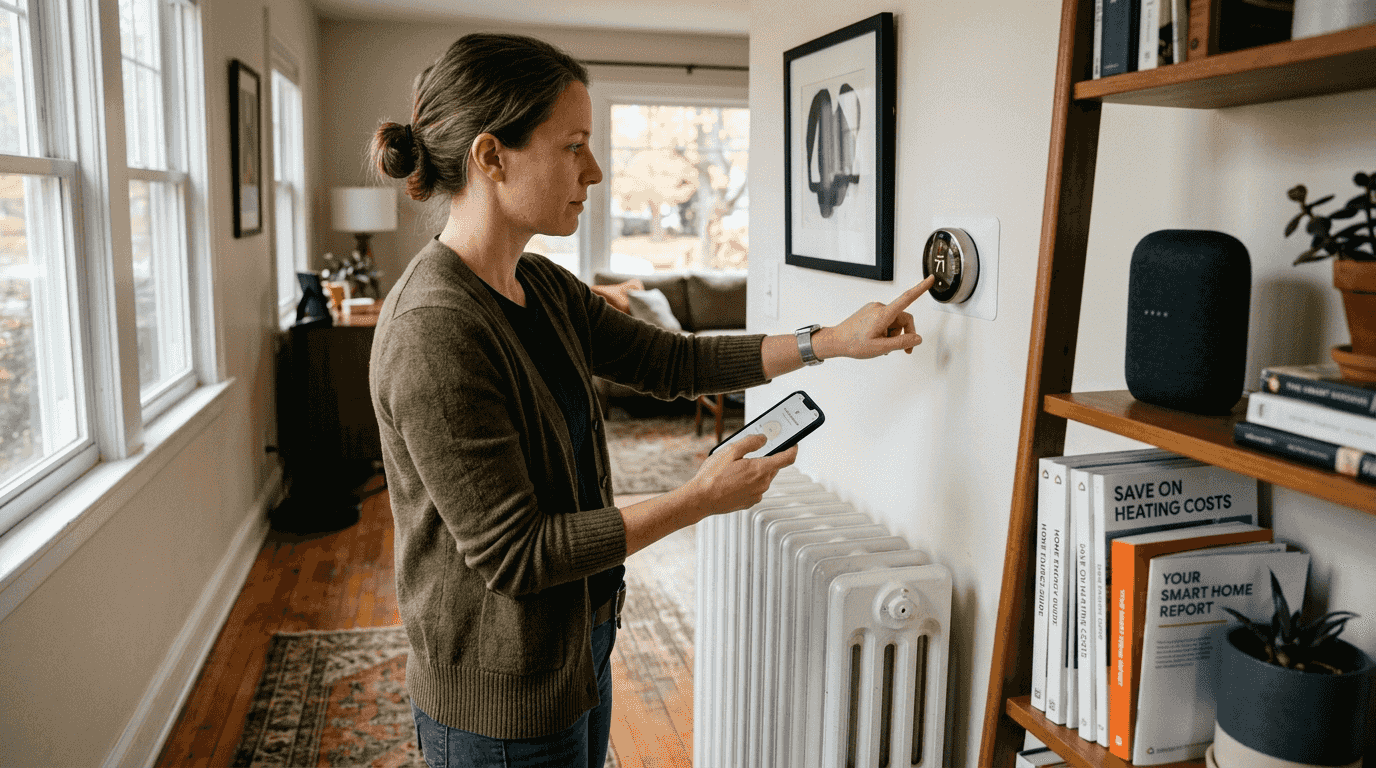
Streaming devices have evolved significantly in power efficiency. The Roku Ultra draws just 0.42W in idle mode with low latency performance, while the NVIDIA Shield excels in efficiency benchmarks for 4K streaming. These devices replace energy-hungry cable boxes and integrate with smart home routines, automatically powering down when you leave home or switch to other activities.
Network gear deserves attention in 2026 as Wi-Fi 7 routers become mainstream. Look for mesh systems that support thread and matter protocols, ensuring compatibility with the latest smart home devices. Brands like Asus and TP-Link offer European models with localized firmware that respect GDPR requirements and provide local processing options. Quality network infrastructure prevents the frustration of laggy smart home responses and dropped video calls, essential for hybrid work environments.
Comparing display technologies and smart home devices: OLED, Mini-LED, and IoT integration
Understanding the technical differences between display technologies helps you match the right TV to your viewing environment and budget. OLED technology delivers perfect black levels and exceptional color accuracy, making it ideal for dark or moderately lit rooms where contrast matters most. The Sony Bravia 8 II exemplifies this technology with per-pixel lighting control that creates stunning depth in cinematic content. However, OLED panels typically peak around 1,000 nits of brightness.
Mini-LED technology takes a different approach by using thousands of tiny LED backlights with local dimming zones. The TCL QM9K represents the brightest consumer option available, reaching over 3,000 nits for HDR content. This makes Mini-LED the superior choice for bright living rooms with large windows or daytime viewing. The trade-off comes in black levels, which can’t match OLED’s infinite contrast but remain impressive with advanced dimming algorithms.
| Feature | OLED | Mini-LED | | — | — | | Black levels | Perfect (pixels off) | Very good (local dimming) | | Peak brightness | 1,000 nits typical | 3,000+ nits possible | | Energy efficiency | A+ standard | A+ with newer models | | Best for | Dark rooms, cinema | Bright rooms, sports | | Price range | €1,500-€3,500 | €800-€2,500 |
Smart home device integration requires careful planning to avoid common pitfalls. Cloud-only devices create dependency on manufacturer servers and internet connectivity, leaving you without control during outages. Prioritize devices with local processing capabilities and offline functionality. The table below compares popular smart home device categories:
| Device type | Typical energy use | Automation complexity | Local control | | — | — | | Smart thermostats | 2-5W | Medium | Yes (most models) | | Smart lights | 8-12W per bulb | Low | Varies by brand | | Smart speakers | 2-4W idle | High | Limited | | Security cameras | 5-8W | Medium | Premium models |
Pro Tip: Test your smart home automations during an internet outage by temporarily disconnecting your router. This reveals which devices truly offer local intelligence versus those that become expensive paperweights without cloud connectivity.
Energy efficiency and local intelligence: optimizing your smart home setup
Local processing represents the future of smart home intelligence, delivering faster responses while protecting your privacy from cloud-based data collection. Devices with onboard processing react in milliseconds rather than the seconds required for cloud round trips. This matters enormously for lighting automations, security responses, and voice commands where delay creates frustration. The shift toward space-level intelligence over device-centric control means your smart home understands room occupancy and context rather than just individual device states.
Implementing an energy-optimized smart home in Europe follows a straightforward process. Start by auditing your current energy consumption using your utility’s online portal or a smart meter. Identify the biggest consumers, typically heating, cooling, and always-on electronics. Next, replace these with EPBD-compliant alternatives that reduce consumption by 16% while maintaining comfort. Smart thermostats like tado° integrate with time-of-use tariffs, automatically shifting heating to off-peak hours when electricity costs 40-60% less.
Follow these steps to maximize savings:
- Install a smart thermostat and configure occupancy-based schedules that reduce heating when rooms are empty.
- Replace high-use lighting with smart LED bulbs that automatically dim based on natural light levels.
- Connect major appliances to smart plugs that cut phantom power draw during sleep and away modes.
- Integrate photovoltaic systems with smart home controls to prioritize self-consumption during peak solar generation.
- Set up energy monitoring dashboards that provide real-time feedback on consumption patterns and savings.
The financial impact is substantial. European households implementing these five steps typically see 20-30% reductions in annual energy costs, translating to €400-900 in savings depending on home size and local electricity rates. The upfront investment in smart devices pays back within two years while improving comfort and convenience.
“The evolution from device-centric to space-level intelligence fundamentally changes how we interact with our homes. Instead of managing dozens of individual devices, we create intelligent environments that respond to human presence and needs automatically. This reduces cognitive load while improving energy efficiency through context-aware decision making.”
Pro Tip: Configure your smart home hub to generate weekly energy reports comparing your consumption to similar homes in your area. This gamification element motivates continued optimization and reveals opportunities you might otherwise miss.
Explore top consumer electronics at OnlineStore24 EU
Now that you understand the criteria and technologies shaping 2026 electronics purchases, exploring curated options tailored for European consumers becomes your next practical step. OnlineStore24 EU specializes in consumer electronics that meet European energy standards and compatibility requirements, from smartphones and smartwatches to network devices and home appliances. The catalog includes products like the Xiaomi Redmi A3X smartphone with 6.71-inch display and 64GB storage, perfect for everyday use and smart home control.
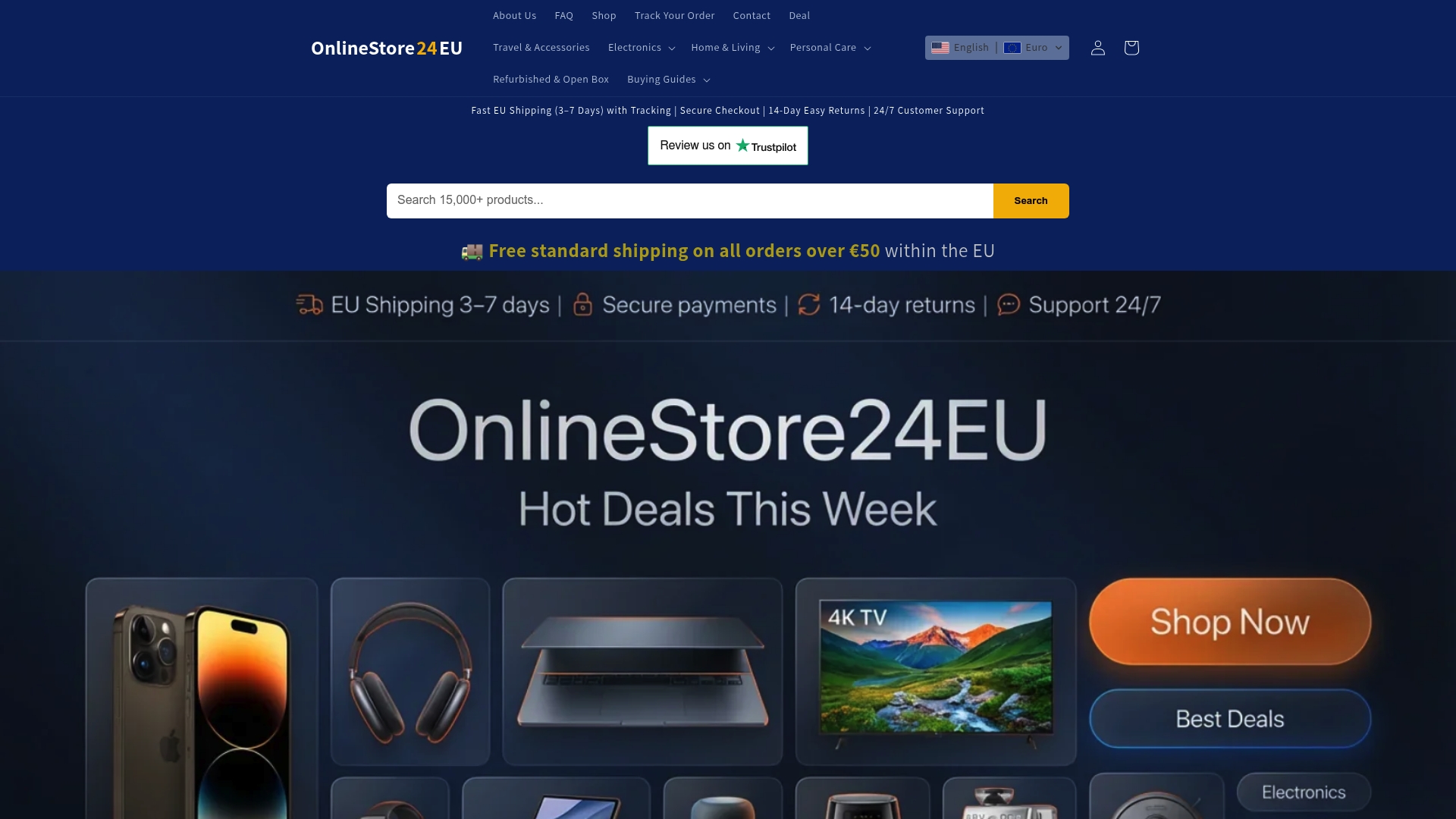
For wearable technology, options like the Radiant RAS10504 smartwatch deliver health tracking and notification management without the premium price tags of flagship brands. OnlineStore24’s EU-based fulfillment ensures fast delivery across multiple European countries with transparent pricing that includes VAT and shipping costs upfront, eliminating checkout surprises common with non-EU retailers.
Pro Tip: Check product listings for warranty terms and EU delivery timelines before purchasing. OnlineStore24 provides detailed specifications and energy ratings to help you make informed decisions aligned with the criteria outlined in this guide.
Frequently asked questions about consumer electronics tips 2026
How to decide when to upgrade electronics in 2026?
Use the wait or buy framework: purchase now if you need the device for 3+ years and no major product launches are expected within 6 months. Otherwise, wait for next-generation models or price drops. Consider whether your current device still meets your needs or if upgrading delivers measurable improvements in energy efficiency, performance, or compatibility with newer standards.
What energy ratings matter most for European homes?
Focus on A+ or higher energy ratings for always-on devices like TVs, network equipment, and smart home hubs. EPBD compliance indicates devices meet the latest European energy performance standards. For heating and cooling, look for smart thermostats that integrate with time-of-use tariffs and photovoltaic systems to maximize savings.
Are OLED TVs worth it over Mini-LED in 2026?
OLED excels in dark or moderately lit rooms with perfect black levels and exceptional color accuracy, ideal for cinematic content. Mini-LED delivers superior brightness for well-lit spaces and daytime viewing, reaching 3,000+ nits versus OLED’s typical 1,000 nits. Choose based on your primary viewing environment and content preferences rather than following trends.
How to ensure smart home devices protect privacy?
Prioritize devices with local processing capabilities that function without constant cloud connectivity. Check manufacturer privacy policies for data collection practices and opt for brands that process sensitive information on-device. Configure your network to isolate smart home devices on a separate VLAN, preventing them from accessing personal computers or sensitive data.
Best ways to save energy with smart thermostats?
Configure occupancy-based schedules that reduce heating when rooms are empty, integrate with time-of-use tariffs to shift consumption to off-peak hours, and connect to photovoltaic systems for self-consumption optimization. Smart thermostats like tado° can save €300-820 annually in European homes through intelligent automation. Set up geofencing to automatically adjust temperatures when you leave or return home, eliminating wasted energy from manual control.
Recommended
- Best Electronics for Modern Homes in Europe (2026 Guide) – OnlineStore24 EU
- Best Electronics for Modern Homes in Europe: Complete 2026 Buying Guide – OnlineStore24 EU
- Complete Electronics & Lifestyle Buying Guides for Europe 2026 – OnlineStore24 EU
- What is an eco friendly gadget? A 2026 European guide – OnlineStore24 EU
- Trendy Gadgets – PERPOCKET